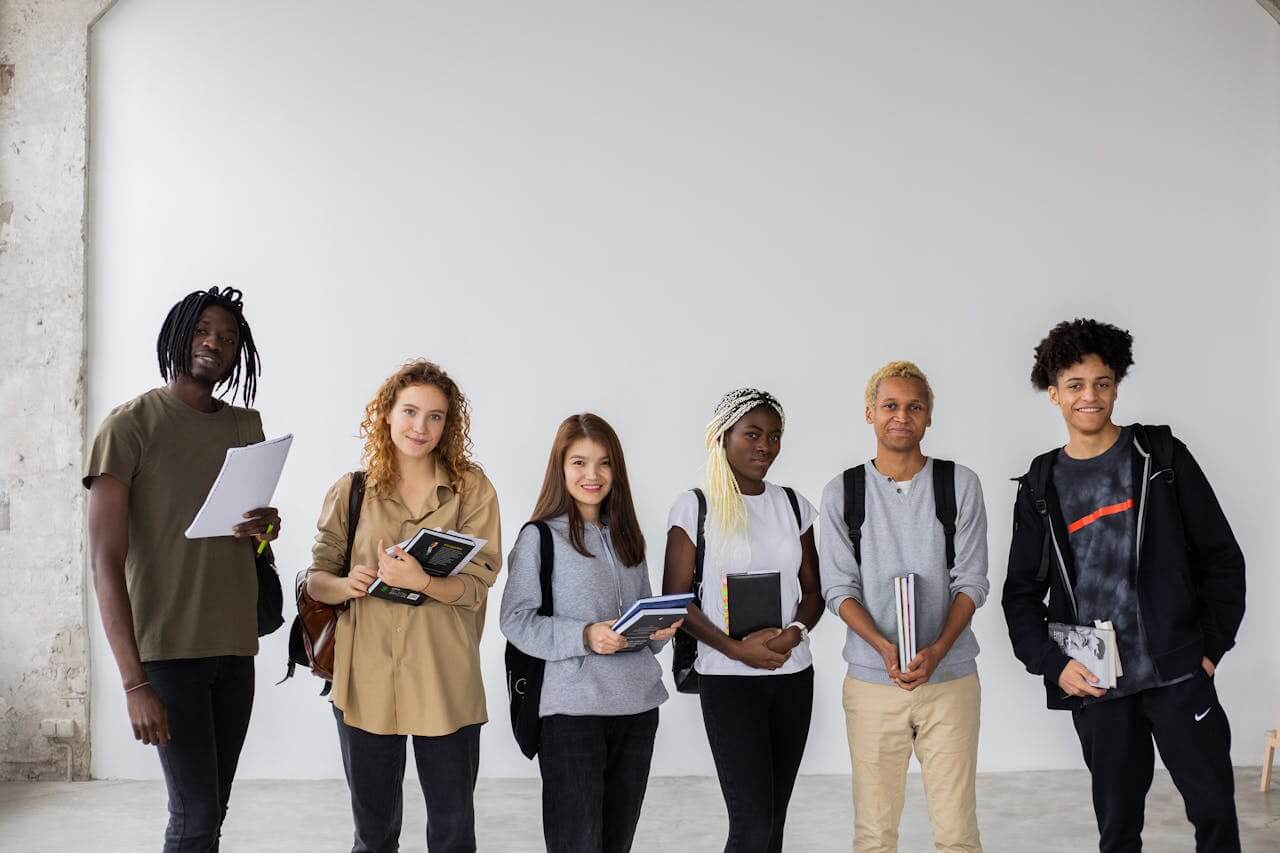
I'll never forget the day Marcus threw his backpack across the room. Not because he was angry—though that's what it looked like. But because he didn't have the words to say "I'm overwhelmed, I'm scared, and I don't know how to ask for help." That moment changed how I understood my role as an educator. Teaching content matters, absolutely. But teaching students how to understand and manage their emotions? That's the work that changes lives.
Why Social-Emotional Learning Isn't Optional Anymore
Here's what nobody tells you in teacher training: you can have the most brilliant lesson plan in the world, but if your students don't have the emotional capacity to engage with it, none of it matters. A student dealing with anxiety can't focus on algebra. A kid who doesn't know how to regulate their emotions can't collaborate on group projects. Someone without self-awareness can't set meaningful goals.
SEL isn't a "nice to have" or an "extra" we squeeze in if there's time. It's the foundation that makes everything else possible.
What we're really teaching:
- Life navigation skills: Not just for school, but for every relationship and challenge they'll face
- Emotional resilience: The ability to bounce back when things get hard
- Human connection: How to build and maintain meaningful relationships
- Self-understanding: Knowing who they are and what they need to thrive
The Five Core SEL Competencies (And What They Actually Look Like)
1. Self-Awareness: Learning to Read Your Own Heart
Self-awareness is teaching a student to recognize "my chest feels tight and my thoughts are racing—oh, that's anxiety" instead of just feeling bad and not knowing why. It's helping them identify their strengths without arrogance and acknowledge their struggles without shame.
What self-awareness sounds like:
"I know I get frustrated when I don't understand something right away"
"Math is really hard for me, but I'm great at helping friends work through problems"
"When I'm tired, everything feels harder"
"I notice I shut down when people criticize me"
How to build it in your classroom:
Start every day with an emotion check-in that goes beyond "good" or "bad." Use a feelings wheel. Ask them to rate their energy, mood, and stress on a scale. Most importantly, model it yourself—share when you're feeling frustrated or excited or overwhelmed. When students see you practicing self-awareness, they learn it's not just okay to notice their feelings, it's necessary.
Try this tomorrow:
Instead of asking "How are you?" try "What's taking up space in your mind today?" or "On a scale of 1-10, how much energy are you bringing into this room right now?" The specificity helps students actually check in with themselves instead of auto-responding "fine."
2. Self-Management: The Space Between Feeling and Acting
Here's the truth: we all have big feelings. The difference between a five-year-old and a functioning adult isn't whether we feel angry or scared or disappointed—it's what we do with those feelings. Self-management is that crucial pause between "I feel something" and "I do something."
What self-management looks like:
- Taking three deep breaths before responding when upset
- Using "I need a break" instead of storming out
- Setting a timer to work for 15 minutes on a hard task
- Asking for help before reaching the breaking point
- Choosing to try again after failure
How to teach it:
You can't lecture kids into self-management. You have to give them tools and practice opportunities. Create a calm-down corner that isn't a punishment—it's a resource. Teach specific breathing techniques (box breathing is gold). Have a class signal for "I need a minute." Practice goal-setting together, including how to break big scary tasks into manageable chunks.
The game-changer:
When a student loses control, don't just discipline—debrief. Once everyone's calm, talk through: What were you feeling? What did you do? What could you do differently next time? What do you need from me to help you manage this better? This turns every difficult moment into a learning opportunity.
3. Social Awareness: Seeing Beyond Ourselves
Social awareness is teaching students that everyone is fighting battles we can't see. It's helping them recognize that the kid who's acting mean might be scared, that their friend's silence might not be anger but sadness, that people from different backgrounds experience the world differently than they do.
Social awareness in action:
"I noticed you seem quiet today—are you okay?"
"That joke might be funny to us but could hurt someone else"
"I wonder what it's like to be the new kid in our class"
"Just because I don't understand why that's hard for them doesn't mean it isn't hard"
How to cultivate it:
Read diverse stories and ask "How do you think they're feeling? What makes you think that?" Use role-playing to practice perspective-taking. When conflicts arise, have students explain the situation from the other person's point of view before you even discuss solutions. Create a classroom culture where noticing and caring about others is praised as much as academic achievement.
Real-world practice:
Do a "secret kindness" challenge where students anonymously do something thoughtful for a classmate who seems like they need it. Then reflect together: How did you decide who needed kindness? What did you notice about them? How did it feel to help? This builds the observation and empathy muscles they'll use forever.
4. Relationship Skills: Building Bridges That Last
This is where everything comes together. You can be self-aware, manage yourself well, and understand others, but if you can't communicate, collaborate, and navigate conflict, you'll struggle. Relationship skills are how we turn emotional intelligence into actual connection.
Strong relationship skills include:
- Communicating clearly and kindly, even when upset
- Listening to understand, not just to respond
- Compromising without losing yourself
- Setting boundaries respectfully
- Apologizing genuinely and making amends
- Celebrating others' success without jealousy
How to teach it:
First, model it constantly. Show them what good communication looks like. When you mess up, apologize authentically. When there's conflict, resolve it in front of them (appropriately). Second, give them tons of practice. Group projects aren't just for academic learning—they're relationship skill boot camps. Teach them sentence stems: "I feel ___ when ___ because ___. What I need is ___."
The relationship repair protocol:
When relationships fracture (and they will), teach this process:
- Cool down separately first
- Each person shares their perspective without interruption
- Each person reflects back what they heard
- Together, identify what went wrong
- Together, decide how to move forward
- Check in later to see if it's actually better
5. Responsible Decision-Making: Thinking Past the Moment
Responsible decision-making is teaching students to hit pause and think through consequences before acting. It's helping them consider not just "what do I want right now?" but "what do I want for my future? How will this affect others? What aligns with my values?"
The decision-making process:
1. Identify the problem clearly
2. Consider multiple solutions
3. Evaluate consequences for yourself and others
4. Consider your values and ethics
5. Make the decision
6. Reflect on the outcome and learn
How to develop it:
Use real dilemmas—both hypothetical and actual classroom situations. Present scenarios: "Your friend wants you to help them cheat. What do you do?" Talk through the decision-making process together. When students make poor choices, don't just punish—help them analyze their decision-making process and figure out where it broke down.
The power of "future self":
Have students write letters to their future selves about goals they're setting and decisions they're making. Periodically, have them read old letters. This helps them see the long-term impact of their choices and builds that crucial ability to think beyond the immediate moment.
Weaving SEL Into Everything You Already Do
I know what you're thinking: "This sounds great, but when?" You're already stretched thin. Here's the secret: you don't need to add a separate SEL curriculum. You weave it into everything.
In morning meetings:
"What's one thing you're grateful for today, and why does it matter to you?" (Self-awareness + responsible decision-making)
During transitions:
"Take a deep breath with me. Notice how your body feels. Ready to shift gears?" (Self-management)
In academic lessons:
"How do you think this historical figure felt making that choice? What else could they have considered?" (Social awareness + responsible decision-making)
During conflicts:
"Let's both take a minute to calm down, then talk through this together." (All five competencies)
When SEL Goes Wrong: What to Avoid
Don't weaponize it: SEL isn't a behavior management tool to make "difficult" kids easier to deal with. It's about giving all students the skills to thrive.
Don't make it performative: Posters about feelings mean nothing if you don't actually create space for feelings in your classroom.
Don't expect perfection: Students (and you!) will mess up constantly. The growth is in the trying again.
Don't forget trauma: Some students' emotional dysregulation isn't a lack of skills—it's a response to trauma. Know when to bring in additional support.
Measuring What Matters
Forget the rubrics and assessments for a second. Here's how you know SEL is working:
- Students come to you before they melt down
- They help each other through hard moments
- They can name their feelings and needs
- Conflicts get resolved more quickly
- They bounce back from failure faster
- Your classroom feels like a community, not just a collection of individuals
Yes, there are formal SEL assessments. But the real measure is in those small moments when a student pauses before reacting, or helps a struggling classmate, or says "I need help" before everything falls apart.
Taking Care of the Teacher
You cannot teach SEL if you're emotionally depleted. You just can't. Your students are watching how you handle stress, frustration, and overwhelm. They're learning from your example more than your lessons.
SEL for educators means:
- Setting boundaries without guilt
- Asking for help when you need it
- Taking actual breaks during the day
- Processing your emotions (therapy, journaling, talking to friends)
- Modeling imperfection and recovery
When you take care of your emotional wellbeing, you're not being selfish—you're showing students what healthy self-management looks like.
The Long Game
Here's what I wish someone had told me years ago: you won't see the full impact of SEL teaching. You might never know that the self-awareness skills you taught helped a student recognize their depression in college and get help. You might not hear that the conflict resolution practice enabled them to save a marriage. You might not see how the empathy you cultivated led them to choose a career helping others.
But it happens. Every time you teach a student to pause before reacting, you're changing the trajectory of their life. Every time you help them understand themselves and others better, you're giving them tools they'll use forever. Every time you create a space where emotions are welcomed and skills are practiced, you're building a future where people are more connected, more compassionate, and more capable.
Is it measurable on a standardized test? No. Is it absolutely essential for creating humans who can navigate this complex, challenging, beautiful world? Absolutely.
Starting Tomorrow
You don't have to overhaul everything. Pick one competency. Pick one strategy. Try it for a week. See what happens. Maybe you start with morning emotion check-ins. Maybe you create a calm-down corner. Maybe you just commit to naming your own feelings out loud so students see what self-awareness looks like.
The beautiful thing about SEL is that every single interaction is an opportunity to practice it. Every conflict, every triumph, every hard moment, every joyful one—they're all chances to build these essential life skills.
Our students need academic skills, yes. But more than that, they need to know how to be human in a world that often feels overwhelming. They need to understand themselves, manage their emotions, connect with others, and make thoughtful choices.
And the incredible privilege of being an educator is that we get to teach them how.
So take a deep breath. Check in with yourself. Notice what you're feeling and what you need. And then go show your students how it's done.
They're watching. They're learning. And you're making a difference—even when it doesn't feel like it.
Remember: SEL isn't about perfection. It's about practice, growth, and showing up with compassion—for your students and yourself.